Coded Out: How Streaming Algorithms Keep Niche Genres Locked in the Dark
Spotify has over 100 million tracks. Apple Music isn't far behind. The pitch has always been the same: all the music in the world, right in your pocket. But if you're a devotee of dungeon synth, a die-hard cumbia sonidera head, or someone who genuinely lives for the weirder corners of free jazz, you've probably noticed something. The algorithm doesn't really know you exist.
That's not an accident. It's math — and it's quietly reshaping which sounds get to survive.
The Popularity Trap
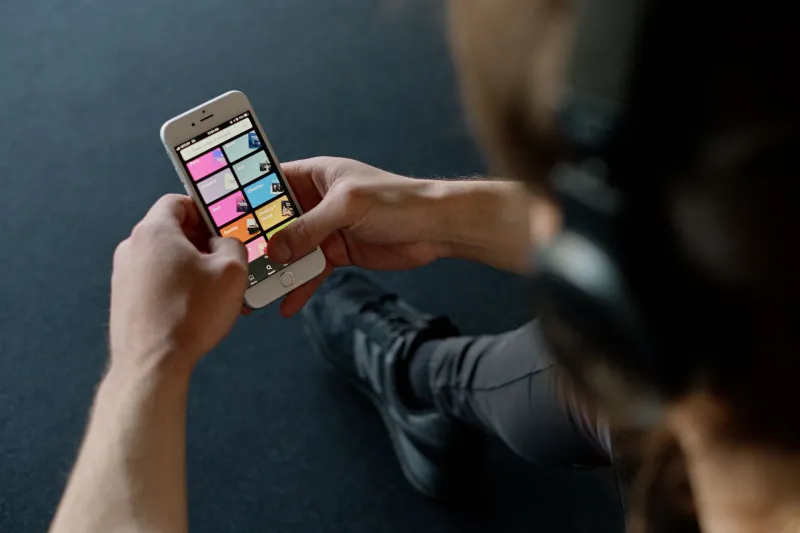
Here's the uncomfortable truth about how music recommendation engines work: they're fundamentally built on momentum. Platforms like Spotify and Apple Music use collaborative filtering, which essentially means the system watches what millions of people are already listening to and then nudges you toward more of the same. If a track is racking up streams, it gets surfaced. If it isn't, it doesn't.
The problem for niche genres is that this creates a closed loop. Underground electronic subgenres, regional folk traditions, experimental noise — these scenes often have intensely loyal listener bases, but those bases are small by design. The music isn't made for mass consumption. It's made for people who are already looking for it. And because the numbers don't spike the way a pop crossover hit does, the algorithm reads that as indifference rather than devotion.
It's the difference between a packed 200-capacity venue and an empty arena. The energy in the room might be electric, but the algorithm only counts seats.
When Discovery Gets Delegated to Code
There's a generation of music fans who grew up with radio DJs, college radio stations, and record store clerks as their guides. Those gatekeepers had their own biases, sure — but they also had taste, context, and a genuine stake in turning people on to something weird and wonderful. A late-night college radio DJ spinning Suicide records at 2 a.m. wasn't chasing an engagement metric. They were just obsessed.
Streaming platforms replaced that human layer with something faster and cheaper: recommendation algorithms. In a lot of ways, that was a win. Personalization at scale genuinely works for most genres. But for music that lives outside the mainstream, removing the human element removed the one thing that actually helped these sounds spread — a passionate advocate willing to stake their credibility on something unfamiliar.
The algorithm doesn't take chances. It confirms preferences. And when your preferences are niche, confirmation looks a lot like isolation.
The Echo Chamber Nobody Asked For
Fans of marginalized genres often describe the same experience: they find their corner of the platform, they dig in, and then the recommendations just... stop expanding. The system identifies them as, say, a black metal listener, and proceeds to serve them an increasingly narrow slice of that world. Which sounds fine until you realize that black metal has always been in conversation with classical composition, ambient music, and folk traditions — connections the algorithm rarely makes because those bridges don't show up in the listening data of the average user.
This is what researchers sometimes call the "filter bubble" effect, and it hits niche genres especially hard. Mainstream listeners get pushed outward, introduced to adjacent sounds and emerging artists. Niche listeners get pushed inward, deeper into a smaller and smaller pool. The result is a kind of algorithmic quarantine — you're not being punished, exactly, you're just being contained.
And for artists working in those spaces, the consequences are real. Fewer algorithmic placements mean fewer streams, which means lower royalty payouts, which means it's harder to justify continuing. The platform doesn't actively kill experimental music. It just makes it economically exhausting to keep making it.
Why Engagement Metrics Miss the Point
Streaming platforms measure success in streams, saves, and skip rates. But those metrics were designed with mainstream consumption patterns in mind. A three-minute pop song and a twenty-two-minute drone composition are not the same thing, and treating them identically in an engagement model is like judging a novel by how fast you can read the first page.
Experimental and ambient music, for example, often accumulates listening time in long, uninterrupted sessions — exactly the kind of deep engagement that should signal value to a platform. But because the track count per session is lower and the skip rate patterns are different, the algorithm frequently misreads dedicated listening as passive background noise. The fan who puts on a single Tim Hecker record and listens straight through for an hour is statistically invisible next to someone cycling through thirty pop tracks in the same window.
Some platforms have started experimenting with genre-specific recommendation logic, and a handful of curators — both human and automated — do solid work surfacing underground sounds. Bandcamp remains a genuine lifeline for niche communities, partly because its model doesn't rely on the same engagement architecture. But within the dominant streaming ecosystem, the structural disadvantage for experimental and underground genres hasn't meaningfully changed.
What Gets Lost When the Algorithm Wins
Musical diversity isn't just a nice-to-have. It's how the mainstream renews itself. Hip-hop was underground before it was everywhere. Electronic music was a niche before it was a genre. The sounds that eventually reshape pop culture almost always start in places the algorithm would have ignored.
When discovery gets gatekept by code rather than curiosity, those pipeline moments get harder to engineer. The next genre that should be exploding might already exist — built by a tight-knit community of artists and fans who are passionate enough to keep going despite the numbers. But if the recommendation engine never points anyone new in that direction, the moment never arrives.
For listeners, the ask is simple: go looking sometimes. Dig into Bandcamp rabbit holes. Follow the weird recommendation a friend throws your way. Let a genre you've never heard of have twenty minutes of your afternoon. The algorithm is a tool, not a taste. And the best music discoveries you'll ever have are probably sitting just outside its field of vision, waiting for someone to show up without a playlist already loaded.
Top Spot Music exists because we believe the best sounds don't always find you — sometimes you have to go find them. And that's still worth doing.