Skip the Single: How Digging Deeper Into Albums Became the New Flex
There was a time when knowing every word to a number-one hit made you the most interesting person at a party. Not anymore. These days, the real flex is dropping a track name that makes half the room squint and say, "Wait, what album is that even on?"
Something has shifted in the way serious music fans engage with artists. The single — that polished, radio-ready, algorithm-optimized front door to an artist's world — is increasingly being treated as a formality. The real treasure, according to a growing cult of dedicated listeners, lives three songs from the end of a tracklist, or buried in a limited-edition vinyl release, or tucked inside a decade-old EP that never got a proper promo push.
Deep cuts are having a serious moment. And it's worth unpacking why.
The Psychology of Knowing More
At its core, the obsession with deep cuts is about identity. Music has always been a tool for self-expression, but the internet — and especially streaming — changed the social dynamics around it in ways we're still figuring out.
When everyone has access to everything, the mainstream becomes almost meaningless as a signal of taste. If a song hits a billion streams, it belongs to everyone. But the B-side from a 2009 deluxe edition that only the most dedicated fans tracked down? That belongs to you in a way a hit never can.
Psychologists who study fandom call this "parasocial ownership" — the sense that a deeper, more private connection to an artist or their work creates a kind of emotional stake that casual listeners simply don't have. Knowing the deep cut isn't just about the music. It's about the story of how you found it, and what that says about how seriously you take your listening.
In online fan communities — Discord servers, Reddit threads, stan Twitter — this plays out constantly. Recommending the obvious single in a discussion thread is almost a social faux pas. The respect goes to whoever surfaces the overlooked track that somehow hits harder than anything on the radio.
B-Sides and the Myth of the "Reject Pile"
Here's the thing about B-sides and album cuts that rarely gets said out loud: a lot of them are actually better than the singles. Or at the very least, more interesting.
The tracks that don't get chosen as singles are often the ones where artists took risks — stranger structures, weirder production choices, more vulnerable lyrics. Singles, by definition, are often the most commercially palatable version of what an artist does. They're built for broad appeal. Deep cuts are frequently built for the artist themselves, or for the fans who already get it.
Think about how many beloved songs started out as forgotten album tracks. Sufjan Stevens' "Death With Dignity" wasn't a single. Neither was Kendrick Lamar's "Sing About Me, I'm Dying of Thirst," which now gets talked about as one of the greatest rap songs ever recorded. The list goes on — artists from Radiohead to Beyoncé have catalog tracks that superfans will argue run circles around the official radio cuts.
The myth that B-sides and deep cuts are the reject pile is slowly dying. More fans are starting to treat them as the real artistic statement, with singles being more like the trailer.
How Streaming Platforms Are Catching Up
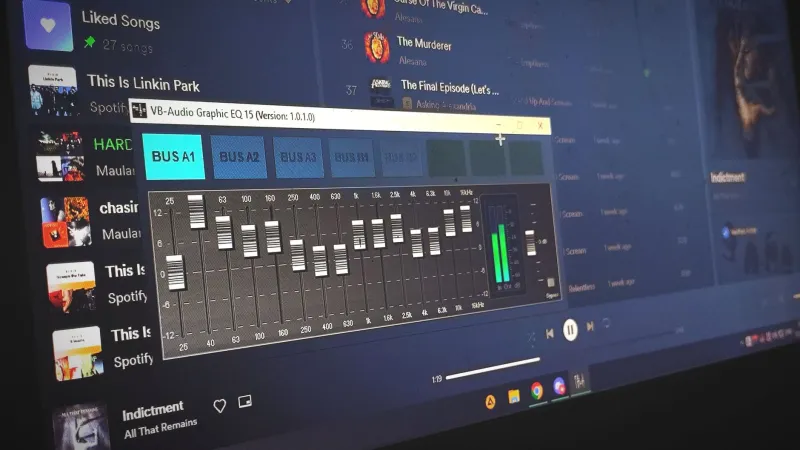
For a while, streaming platforms were part of the problem. Their editorial infrastructure — curated playlists, algorithm-driven recommendations, charts — was almost entirely built around amplifying what was already popular. The deeper you went into an artist's catalog, the less visible it became.
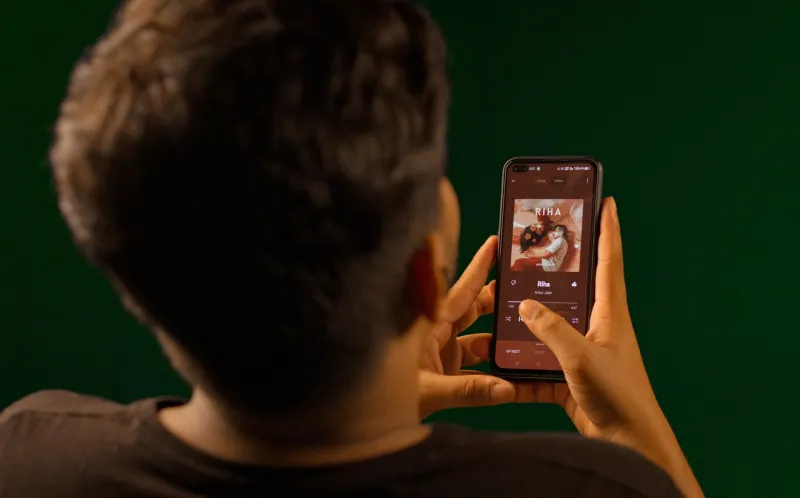
But that's starting to change, even if slowly. Spotify's "Fan First" features and artist radio tools have gotten better at surfacing catalog tracks for listeners who have already exhausted the obvious entry points. Apple Music's editorial team has leaned into deep-dive playlists that deliberately spotlight non-single material. Even YouTube's algorithm, notoriously hit-obsessed, has started rewarding longer watch sessions that take fans on catalog journeys.
There's also a creator economy angle here. Artists are realizing that releasing "vault" content — old sessions, alternate versions, unreleased recordings — can generate enormous engagement from their most loyal audiences. Taylor Swift's vault tracks across her re-recorded albums are maybe the highest-profile example, but the same dynamic plays out at every level of the industry.
Niche music discovery apps like Bandcamp have been built around this idea from the start, rewarding deep listening and making it easy to buy into an artist's entire catalog rather than just their biggest moments.
What This Means for Artists Releasing Music Right Now
If you're an artist — especially an independent one — the cult of the deep cut carries some pretty practical implications for how you think about releasing music.
The conventional wisdom has long been to put your absolute best, most accessible material out front. Lead with the single. Get the streams. Build the audience. But a growing segment of music fans is actively skeptical of that approach. They've been burned by artists who front-load their releases with the accessible stuff and leave nothing interesting behind it.
More artists are experimenting with album sequencing as a deliberate discovery experience — building records where the first few tracks are almost decoys, and the real payoff comes to the people willing to stick around. Some are releasing albums with intentionally buried standouts, trusting that their core fans will find them and spread the word organically.
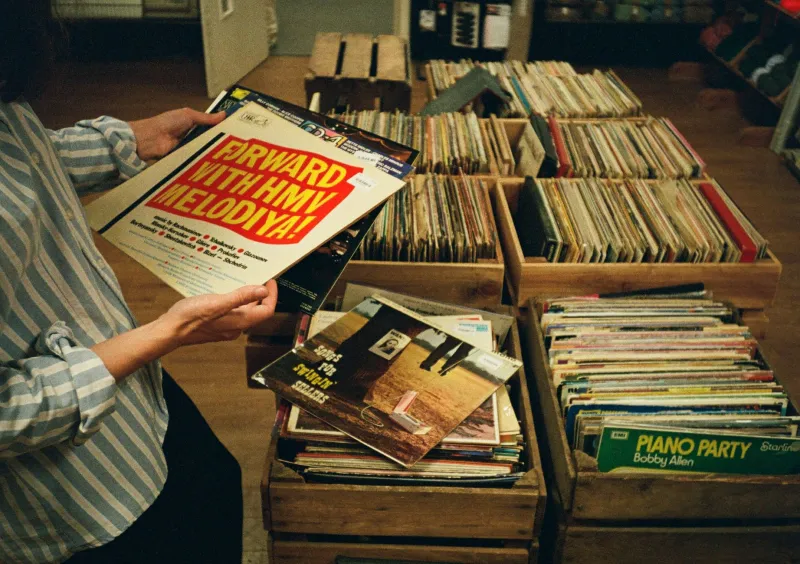
There's also a conversation happening about how to handle streaming vs. physical releases in this context. Vinyl and CD buyers are getting bonus tracks, alternate cuts, and handwritten notes that streaming listeners never see. That exclusivity isn't just a monetization strategy — it's a way of rewarding the fans who dig deepest.
The Deeper the Cut, the Stronger the Bond
What makes the deep cut phenomenon genuinely fascinating isn't just the music itself — it's what it reveals about how fandom is evolving. In an era of infinite content and shrinking attention spans, a subset of music lovers is actively choosing to go slower, dig harder, and invest more.
They're not just passively consuming. They're hunting. And the reward isn't just a good song — it's the feeling of having found something real in a landscape built for speed.
For platforms like Top Spot Music, this is the kind of listening behavior worth celebrating. Because at the end of the day, the goal has never just been to find what's trending. It's to find the sound that actually moves you — and sometimes, that sound is hiding at track nine, with no official video, no playlist placement, and about forty thousand streams to its name.
That's not a flaw. For a lot of people, that's exactly the point.