Six Months on a Truck: The Secret Supply Chain Behind Every Record You Spin
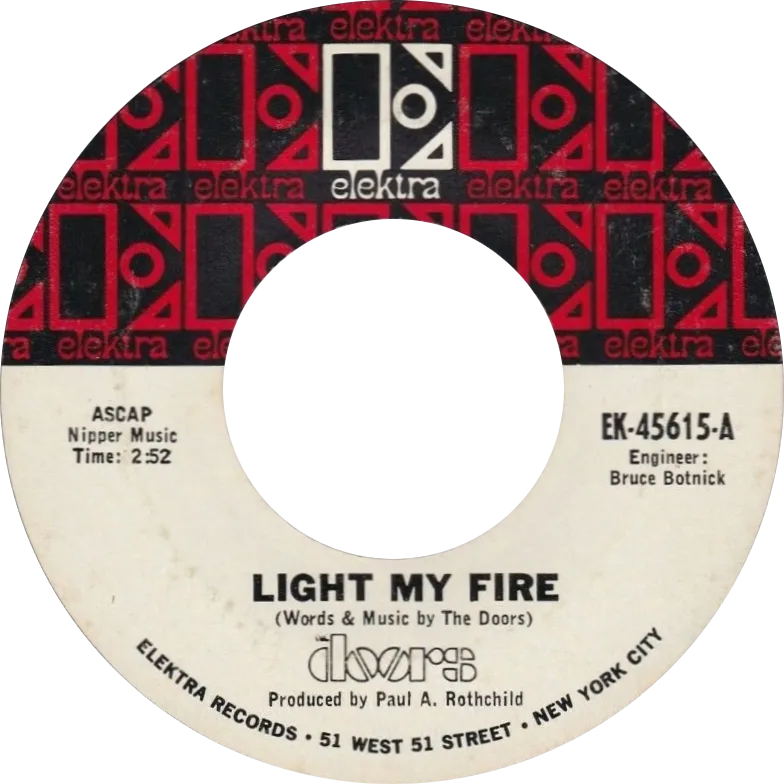
Photo: Elektra Records, Public domain, via Wikimedia Commons
You clicked 'pre-order' in January. It's July. Your record finally shows up, slightly dinged at the corner, and you're left wondering what exactly takes half a year to press a piece of plastic.
The answer, it turns out, is almost everything.
The Bottleneck Nobody Talks About
Vinyl never died — it just went into hospice. When CDs and downloads gutted the format in the '90s and 2000s, pressing plants across America shuttered or sold their equipment for scrap. By the time the revival kicked into gear in the mid-2010s, only a handful of functional presses remained, many of them decades-old machines cobbled together with salvaged parts.
Today, demand has exploded past a billion dollars in annual US vinyl sales, but building new pressing capacity takes years. The machines themselves are essentially custom-fabricated — there's no vinyl press sitting on a shelf at Home Depot. Plants in places like Ohio, Tennessee, and Kansas run three shifts a day, and even then, a major label release can bump an independent artist's order back by months.
That's the first reason your record is late: there's a line, and you're not at the front of it.
Lacquer, Stampers, and the Chemistry Class You Never Took
Before anything gets pressed, a master recording gets cut into a lacquer — a delicate acetate disc that can be ruined by a stray fingerprint. That lacquer gets shipped (often internationally) to be electroplated into metal stampers, which then stamp the actual vinyl.
Every handoff is a chance for delay or damage. A scratched lacquer means starting over. A bad stamper means thousands of flawed records before anyone notices. When you hear about 'quality control' issues with a hot new pressing, this is usually where it went sideways.
Warped Record Season Is Real
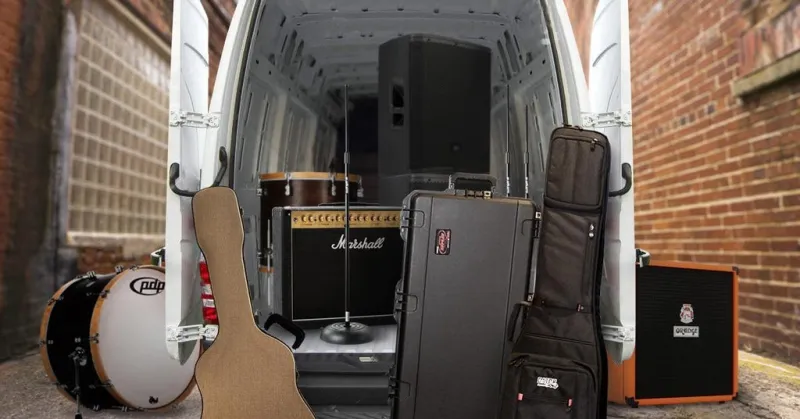
Here's the part that surprises even seasoned collectors: vinyl has a melting point around 140 degrees Fahrenheit, and it starts getting soft well before that. Now think about a black record — black absorbs heat — riding in a trailer across Nevada or Arizona in July.
Truck interiors on a summer cross-country haul can easily exceed 130 degrees. Records arrive gently warped, edge-cupped like potato chips. Industry folks genuinely refer to 'warped record season' — the summer stretch when returns spike and collectors learn to never, ever order vinyl shipped to a Phoenix mailbox in August.
The fix, gradually, is climate-controlled shipping and smarter routing. But that costs money, and freight costs are already the silent killer of vinyl margins.
How to Spot a Good Pressing Before You Buy
You can't inspect a record you haven't bought, but you can shop smart:
- Check the pressing plant. Discogs credits and label pages usually say where a record was pressed. Certain plants have reputations — for better and worse.
- Beware the 2-LP 'deluxe' of a 35-minute album. More sides can mean more surface noise unless it's done carefully.
- Look at the weight, but don't worship it. 180-gram records feel nice, but mastering quality matters far more than heft.
- Read recent buyer reviews, not launch-day hype. QC problems show up in the first few weeks of a pressing run.
The Takeaway
That six-month wait isn't laziness — it's a fragile, mostly hand-assembled supply chain straining against a format nobody expected to come back this hard. So the next time your record arrives pristine, spare a thought for the lacquer that survived, the stamper that held up, and the truck that kept its cool across the desert. That's not a product. That's a small miracle in a cardboard sleeve.