That $12 'Facility Fee' Isn't Buying You Better Bathrooms: A Field Guide to Club Show Surcharges
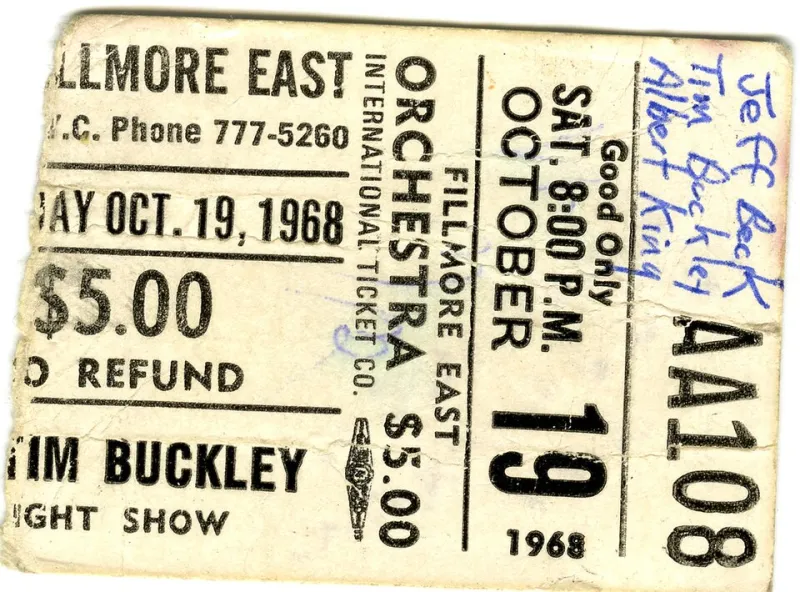
Photo: Grant Gouldon, Public domain, via Wikimedia Commons
You bought a ticket to see a touring act at a 400-cap club last month. The poster said $18. Your bank statement says $33.60. Somewhere between the flyer and the checkout screen, the math got weird — and if you've ever wondered who's pocketing the difference, you're asking the right question.
Anatomy of a $18 Ticket
Let's walk through a hypothetical — one that mirrors real pricing we've seen across venues in Austin, Chicago, Philadelphia, Portland, and Nashville. The base ticket is $18. Then the stack begins:
- Service fee (3–8%): charged by the ticketing platform, split between the platform and sometimes the venue
- Facility fee ($2–5): supposedly for building upkeep, added by the venue itself
- Processing fee ($1.50–3.50): flat charge per transaction
- Order processing fee (yes, a second one, in some markets)
- Door split adjustments: the newest and least understood addition
That last one is the part fans rarely hear about. A growing number of independent clubs have started building what's sometimes called a "door split" into their pricing — a guaranteed per-head amount carved off the top before the touring band sees a dime of the guarantee or backend.
Where the Money Actually Goes
Here's the uncomfortable accounting nobody prints on the ticket stub. At a typical mid-size club show:
- The ticketing platform takes its cut first — often the largest single slice of the add-on fees.
- The venue recovers fixed costs: security, sound engineer, box office staff, insurance, and yes, the bathrooms.
- The promoter (sometimes the venue itself, sometimes a third party) takes a share of the gross.
- The headliner's guarantee gets paid.
- The opening act — the one you actually showed up early for — gets whatever's left, which on a door-split deal might be a percentage of tickets sold after expenses are deducted.
That last line is where the "tax" quietly lands. When a venue adds a facility fee, it's not coming out of the promoter's margin or the headliner's guarantee. It's coming out of the same pot the support act is drawing from. Fans end up subsidizing overhead while the newest band on the bill splits a thinner pie.
City by City: How the Stack Varies
Austin has seen some of the steepest add-ons, with facility fees at certain Red River clubs pushing total checkout prices 60–70% above face value. Chicago runs more moderate, though downtown rooms layer in a per-ticket "restoration fee" that functions identically. Philadelphia tickets often carry two separate platform fees when a venue uses a third-party ticketing partner. Portland remains the friendliest market we surveyed — several clubs there still run flat pricing with all-in ticket displays. Nashville is a mixed bag: the big downtown rooms add aggressive surcharges, while East Side venues increasingly advertise all-in pricing as a selling point.
What a Fair Ticket Looks Like on Paper
Transparency advocates have landed on a simple standard: one price, shown upfront, with a printed breakdown. On paper, a fair club ticket in 2025 looks something like this:
- Artist guarantee and support act payout: 55–65% of face value
- Venue operating costs: 20–30%
- Ticketing and payment processing: 8–12%
- Taxes: statutory
If your checkout total is more than 35% above face value, someone in that chain is taking more than their lane. Some cities — including Philadelphia and, following the federal Junk Fees Rule, platforms nationwide — are moving toward mandatory all-in pricing displays, which should at least kill the sticker shock even if it doesn't shrink the stack.
What You Can Actually Do
Buy at the box office when you can — plenty of clubs still waive platform fees for walk-up sales. Support venues that advertise all-in pricing; they're telling you something about how they do business. And when a small band on the bill mentions they're playing for gas money, believe them. The fees on your ticket weren't their idea either.
The live music economy runs on thin margins at every level except the fee layer. Knowing where your money goes doesn't fix the system — but it makes you a much harder customer to overcharge.