No Label, No Problem: How Gen Z Artists Are Blowing Up on Their Own Terms in 2024
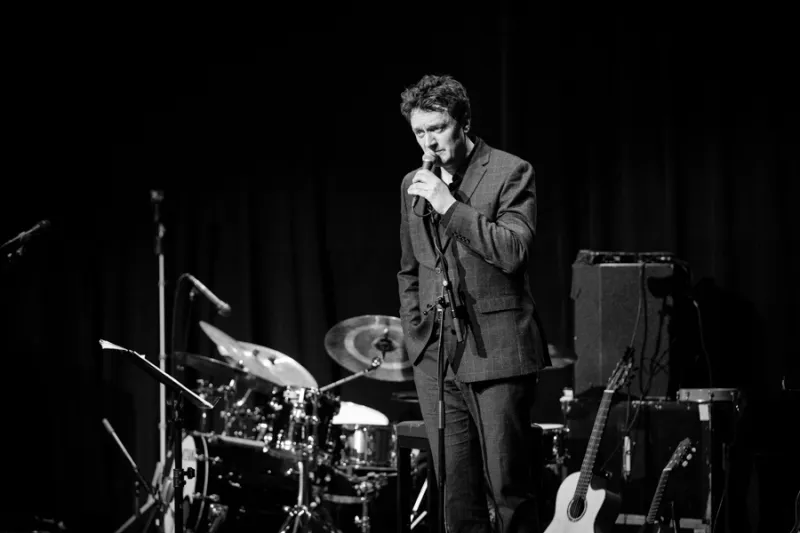
Photo: Tore Sætre, CC BY-SA 4.0, via Wikimedia Commons
Not too long ago, making it in the music industry meant one thing: getting signed. You played every local venue you could, sent out demo tapes (or later, demo emails), and prayed that someone with a corner office and a big checkbook believed in your sound. The gatekeepers were real, they were powerful, and getting past them felt like the only path forward.
That model isn't just cracking — it's being completely rebuilt from the ground up, and Gen Z artists are the ones holding the tools.
The TikTok Effect Is Real, and It's Not Slowing Down
By now, you've probably heard the phrase "went viral on TikTok" so many times it's lost a bit of its punch. But the numbers behind it are genuinely staggering. In 2024, TikTok's influence on music charts isn't a side story — it is the story.
Tracks that catch fire on the platform routinely spike on Spotify's Viral 50 chart within days, sometimes hours, of a video gaining traction. The algorithm rewards sound-first engagement, meaning a compelling 15-second clip attached to the right audio can reach tens of millions of people without a single dollar of promotional spend.
For emerging artists, that's not just an opportunity — it's a complete paradigm shift.
Take the case of Zach Bryan. Before he was selling out arenas and landing at the top of the Billboard Hot 100, he was posting raw, unpolished videos on social media from his phone. No production gloss, no label infrastructure — just a guy with a guitar and something genuine to say. Audiences responded to the authenticity before any industry machine had a chance to sand down the edges.
Or consider Reneé Rapp, who built a devoted fanbase through a combination of social media presence and sheer vocal talent before her music career hit mainstream acceleration. The through-line in both cases? The audience found the artist first.
Bypassing the Gatekeepers
What's fundamentally different about 2024's music landscape is that the traditional gatekeeping infrastructure — radio programmers, A&R scouts, tastemaker blogs — no longer holds the keys to the kingdom. That doesn't mean those channels are irrelevant, but they're no longer the only path to an audience.
Independent artists now have access to a full toolkit that would have seemed almost absurdly powerful to a musician from even fifteen years ago. DistroKid and TuneCore let anyone distribute music to every major streaming platform for a flat annual fee. Splice and BeatStars give producers access to professional-grade sounds and collaboration tools. Canva and CapCut handle visuals and video editing. And social platforms — TikTok, Instagram Reels, YouTube Shorts — provide direct lines to audiences at zero cost beyond time and creativity.
The result? Artists are building real, monetizable fanbases before they ever sit across a conference table from a label executive.
"The conversation has completely flipped," says one independent playlist curator who manages several editorial playlists with combined followings in the hundreds of thousands. "Five years ago, artists came to labels with music and hoped for a chance. Now, the best artists come with data — streams, follower growth, engagement rates — and the labels are the ones trying to catch up."
The Playlist Pipeline
Beyond TikTok, independent playlist curators have quietly become some of the most influential figures in music discovery. Spotify's algorithmic playlists — Discover Weekly, Release Radar, Daily Mixes — respond to engagement signals, meaning a song that gains early traction through playlist placements can trigger a snowball effect through the algorithm.
Savvy independent artists have figured out how to work this system. They pitch directly to independent curators through platforms like SubmitHub, build relationships with niche community playlists, and focus on getting into the ears of listeners who are already predisposed to their sound. It's less about mass exposure and more about precision targeting.
For artists in specific niches — lo-fi, bedroom pop, hyperpop, regional Mexican music, DIY punk — this approach can be enormously effective. A placement on the right 50,000-follower playlist in your specific genre can do more for your streaming numbers than a shotgun blast of general promotion.
What the Labels Are Actually Doing
Here's the thing though — the major labels haven't exactly been sitting on their hands. They've adapted, even if the adaptation looks a little different than what they'd probably prefer.
Rather than discovering artists early and developing them over years, many labels now function more like late-stage investors. They wait for an artist to demonstrate genuine audience traction, then move in with a deal structured around amplifying what's already working. It's lower risk for the label, but it also means less creative control over the development process — which, for many Gen Z artists, is a feature rather than a bug.
Some artists are even leveraging their viral moments as negotiating chips, walking into label meetings with proven audiences and demanding terms that previous generations of artists couldn't have dreamed of. Non-exclusive deals, ownership of masters, creative approval clauses — these are increasingly part of the conversation in ways they simply weren't before.
The Authenticity Premium
If there's one through-line connecting virtually every Gen Z breakout story in 2024, it's authenticity. This generation of listeners has a finely tuned radar for anything that feels manufactured or calculated, and they'll scroll past it without a second thought.
The artists who are breaking through aren't necessarily the most technically polished. They're the ones who feel real — who share their process, their stumbles, their weird influences, and their genuine personalities alongside their music. The parasocial relationship between artist and fan has never been more central to the discovery process.
Chappell Roan is a perfect example. Her rise in 2024 wasn't the result of a traditional promotional campaign — it was the result of years of building a genuine community of fans who felt personally invested in her success. When the moment came, that foundation meant everything.
What Comes Next
The music industry in 2025 and beyond is going to look dramatically different from even the recent past, and Gen Z artists are writing the blueprint in real time. More ownership, more direct fan relationships, more creative control, and less dependence on any single platform or power structure.
For listeners, that's genuinely exciting. It means more diverse sounds, more authentic voices, and more music that emerges from actual human experience rather than committee-approved market research.
At Top Spot Music, we're here for every bit of it. The old rules were never that great anyway.