Gone Before the Hook: How the Skip Button Became Music's Most Ruthless Editor

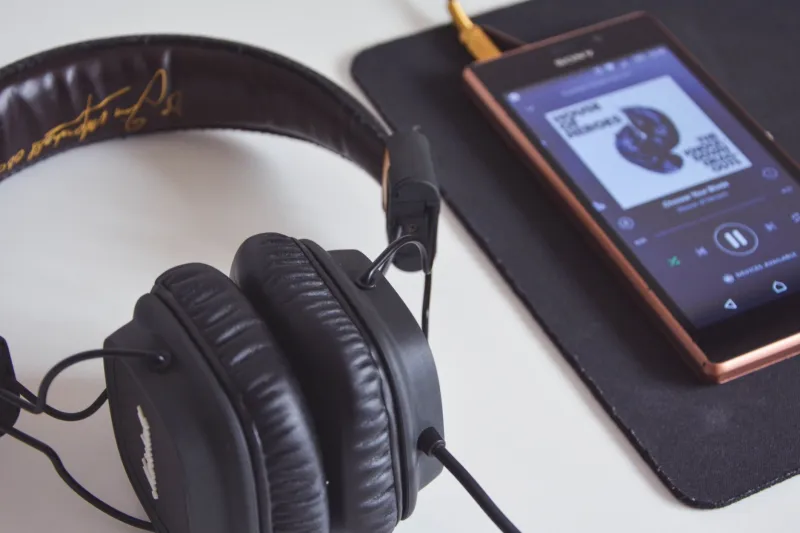
Photo by Photo by Ilias Chebbi on Unsplash on Unsplash
Somewhere between pressing play and hearing the first verse, you've already decided. You just don't know it yet.
Streaming data has made one thing brutally clear: the average listener on Spotify makes up their mind about a song within the first five to eight seconds. Not the first minute. Not the first chorus. The first few seconds. And if your track doesn't grab them right there, they're gone — swiping to the next thing before the artist has even had a chance to say hello.
This isn't just a quirky behavioral stat. It's quietly reshaping how music gets made in America.
The Numbers Don't Lie (And They're Kind of Brutal)
Spotify doesn't publicly release granular skip-rate data, but producers and distributors who work directly with the platform paint a pretty vivid picture. According to reporting from music analytics firms, tracks that fail to establish a melodic hook or lyrical anchor within the first ten seconds see skip rates that can climb above 50 percent on certain playlists — particularly algorithmically generated ones where listener intent is low and passive scrolling is high.
Genre plays a massive role here. Electronic and hip-hop tracks tend to bleed listeners fastest when they open with extended intros or atmospheric build-ups — styles that were practically sacred in the pre-streaming era. Meanwhile, pop and country tracks, which have traditionally front-loaded their energy, tend to retain listeners a bit longer out of the gate. Folk and indie artists? They're fighting an uphill battle almost every single time.
"The skip rate conversation used to be something labels brought up in passing," says one Nashville-based producer who works primarily with emerging country and Americana artists. "Now it's the first thing we talk about when we're structuring a record. Before melody, before lyrics — we're talking about the open."
When the Platform Becomes the Co-Writer
Here's where things get genuinely strange. The pressure to prevent skips has become so intense that streaming platform logic is now effectively functioning as an invisible co-writer on a huge portion of commercially released music.
Producers describe a set of psychological tactics that have become almost standard practice. Drop the vocals in immediately — no more eight-bar instrumental intros. Start mid-phrase, as if the song has already been playing and the listener is catching up. Use a sonic "snag," some unexpected texture or rhythmic element in the first two seconds that creates just enough novelty to make the brain pause before reaching for the skip button.
Some producers are even reverse-engineering the chorus itself, placing a truncated version of it before the verse — a structure that would have sounded completely bizarre to a songwriter working in 1995 but now feels almost commonplace on Spotify's most-streamed charts.
"We're essentially writing songs backwards," admits a Los Angeles-based producer who has worked with several artists currently sitting in Spotify's top playlists. "You build around the moment of maximum retention first, and then you figure out how to make the rest of the song justify that moment."
The result is music that's increasingly optimized for the platform rather than for the listener — a subtle but meaningful distinction.
The Artists Who Are Deliberately Skipping the Formula
Not everyone is playing along, though. And the artists choosing to reject skip-rate optimization are doing something genuinely interesting: they're building deeper, more loyal fanbases in the process.
Take the growing wave of lo-fi indie and bedroom pop artists who've built substantial followings on platforms like Bandcamp and SoundCloud before crossing over to Spotify. Many of them open tracks with long, wandering intros — the kind of stuff that would make a label A&R rep sweat through their shirt. And yet their listener-to-follower conversion rates frequently outperform their more algorithmically polished peers.
The theory, backed up by some listener behavior research, is that when a song demands patience, the listeners who stick around become genuinely invested. They've made a small commitment to the track. They're no longer passive. And passive listeners, it turns out, don't become fans — they just become streams.
"I made a choice early on that I wasn't going to start every song with a vocal hook just because the algorithm wanted me to," says one emerging indie artist currently building a following across the Midwest touring circuit. "And yeah, my skip rates are probably higher than someone who's more optimized. But the people who stay? They actually come to shows. They buy merch. They care."
This is the paradox that the skip-rate obsession has created: optimizing for retention in the first eight seconds may actually be optimizing against the kind of deep listener connection that sustains a long-term career.
What Platforms Could Do Differently
The uncomfortable reality is that skip rates became a dominant metric largely because they're easy to measure and easy to act on. But they measure engagement in the most surface-level way imaginable — did someone not immediately leave? That's a pretty low bar for what we'd traditionally call a meaningful musical experience.
Some music industry voices are pushing for platforms to develop more nuanced engagement metrics — things like repeat listen rates, playlist saves, and the correlation between a song's streaming numbers and an artist's live ticket sales. These data points would tell a much richer story about whether music is actually connecting with people, rather than just surviving the first swipe.
Spotify has made some moves in this direction with tools available through Spotify for Artists, but the fundamental incentive structure of the platform still rewards volume and passive listening in ways that quietly punish artists who are building something slower and more meaningful.
The Song That Earns the Skip
Maybe the most interesting thing happening right now is that a small but vocal community of music fans is actively celebrating artists who refuse to front-load. There are Reddit threads, TikTok videos, and playlist communities built around the idea of "slow burn" tracks — songs that take their time and reward the listener for staying.
It's a genuine counter-movement, and it suggests that the listener isn't as impatient as the data sometimes implies. Sometimes the skip happens not because the song is too slow, but because the listener doesn't trust the song yet. Build enough of a reputation, cultivate enough of a real fanbase, and suddenly those same listeners will sit through a two-minute intro without a second thought.
The skip button isn't going anywhere. Neither is the pressure it puts on artists trying to break through on major platforms. But the most exciting music being made right now might just be the stuff that's brave enough to let you skip it — and confident enough to know you'll come back.