Streaming Exodus: What Happens When Artists Finally Say Enough Is Enough
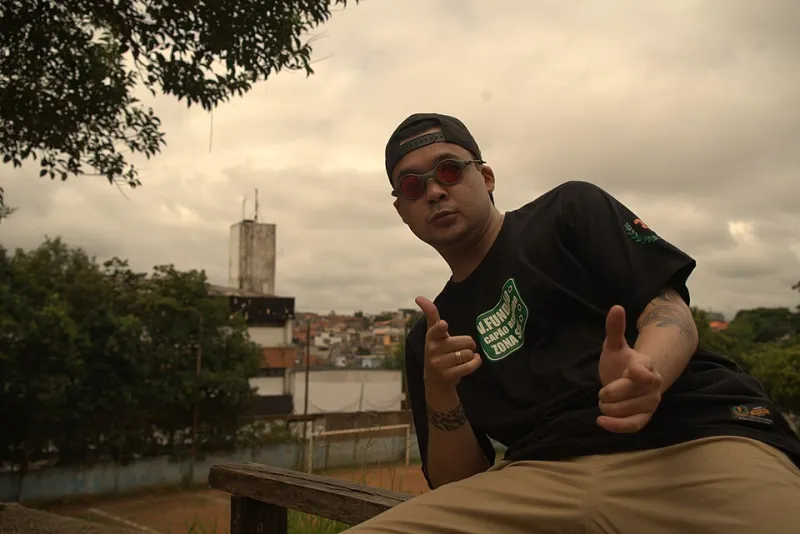
Photo: GersonYang, CC0, via Wikimedia Commons
For years, the deal seemed straightforward enough: put your music on the big platforms, rack up streams, build an audience, and eventually the money follows. Millions of artists bought into that promise. But lately, a growing number of them are tearing up the contract — sometimes literally — and walking away from the biggest streaming services in the game. The question isn't just why anymore. It's what comes next.
The Math Never Really Added Up
Let's start with the number that keeps coming up in every conversation about this topic: fractions of a cent. Spotify's average per-stream payout hovers somewhere between $0.003 and $0.005. That means an artist needs roughly 250,000 streams just to clear $1,000 before their label, distributor, and anyone else with a cut takes their slice. For independent artists without the machinery of a major label behind them, that math is brutal.
Midwest indie artist Dani Calloway, who released her debut EP last fall through a DIY distribution deal, put it plainly: "I had a song hit 80,000 streams in its first month. I was hyped. Then I saw the payout and thought my account was broken. It wasn't."
Her experience isn't unusual. And while streaming platforms have always defended their model by pointing to total payouts — Spotify claims to have distributed over $9 billion to rights holders in 2023 alone — critics are quick to note that the bulk of that money flows upward to major labels and superstar acts, not to the artists grinding in the middle and lower tiers.
It's Not Just About the Money
Financial frustration is the loudest part of this conversation, but it's not the only one. Creative control has become a serious flashpoint. Some artists have gone public with complaints about algorithmic gatekeeping — the sense that if your music doesn't fit a certain sonic profile or playlist category, it simply gets buried, no matter how good it is.
Then there are the exclusivity deals. When competitors like Apple Music or TIDAL offer artists a guaranteed advance or a higher per-stream rate in exchange for a limited exclusive window, some musicians are taking that offer and temporarily yanking their catalog from everywhere else. It's a gamble, but for artists who feel invisible on the dominant platform anyway, it can feel like the smarter play.
Industry analyst Marcus Webb, who consults for several mid-sized indie labels, sees a pattern forming. "What we're watching is a slow but real renegotiation of power," he said. "Artists have more distribution options than they've ever had, and some of them are finally willing to use that leverage. The platforms aren't invincible, and I think they know it."
The Fans Are Caught in the Middle
Here's where things get complicated for everyday listeners. When an artist pulls their music from a major platform, the fans who rely on that platform for their entire listening experience are suddenly cut off. For casual listeners, that might mean a shrug and a quick search on YouTube. For dedicated fans, it can feel like a genuine loss — especially when those fans have spent years building playlists, saving albums, and letting an algorithm learn their taste based on a catalog that's now gone dark.
Some artists have leaned into that disruption on purpose. By directing fans to Bandcamp, their own websites, or smaller platforms like Audiomack, they're not just making a financial argument — they're trying to rebuild a more direct relationship with their audience. "I'd rather have 10,000 people who actually bought my record than a million streams from people who'll forget my name in a week," said one Brooklyn-based producer who asked to remain anonymous while negotiating a new distribution deal.
Bandcamp, in particular, has seen renewed interest from artists looking for alternatives. The platform lets artists set their own prices, keeps a smaller cut, and fosters a culture of actual purchasing rather than passive streaming. It's not a perfect solution — the discoverability factor doesn't come close to what Spotify offers — but for artists who've already built their audience, it can be a viable lane.
Is This a Real Shift or Just Noise?
Skeptics will point out that this isn't the first time artists have threatened to abandon streaming platforms, and the platforms are still standing. Taylor Swift famously pulled her catalog from Spotify back in 2014, only to return three years later. Neil Young made headlines when he removed his music in 2022 over content concerns. These moments generate press, but they haven't fundamentally changed the streaming economy.
Still, something does feel different about the current moment. The sheer number of artists raising these concerns — and the growing infrastructure of alternatives available to them — suggests that the pressure is more sustained than it's been before. Direct-to-fan tools, social media monetization, live stream revenue, and merchandise platforms have collectively given artists more financial runway than they had even five years ago. Streaming is no longer the only game in town, and that changes the negotiating dynamic.
Webb thinks the next five years will force a reckoning. "The platforms are going to have to either pay more, offer more tools for artist development, or watch a meaningful chunk of their catalog walk. You can't keep telling artists they're valued while the royalty structure says otherwise."
What This Means for Music Discovery
For music fans who love discovering new sounds — the core of what we're all about here at Top Spot Music — the fragmentation of the streaming landscape creates a real challenge. If your favorite emerging artist is only on one platform, or selling exclusively through their own website, the casual discovery experience gets harder. You have to work a little more to find the music that moves you.
But there's an argument that this friction could actually be healthy. A music culture where listeners are more intentional, where they seek out artists rather than just accepting whatever the algorithm serves up, might produce deeper connections between fans and the artists they love. That's not a bad outcome, even if it takes some getting used to.
The streaming breakup, if it keeps accelerating, won't kill music discovery. It'll just change the map. And honestly? Sometimes the best finds are the ones you have to go looking for.