Wrapped Up in the Numbers: How One Week of Data Is Rewriting the Artist Playbook
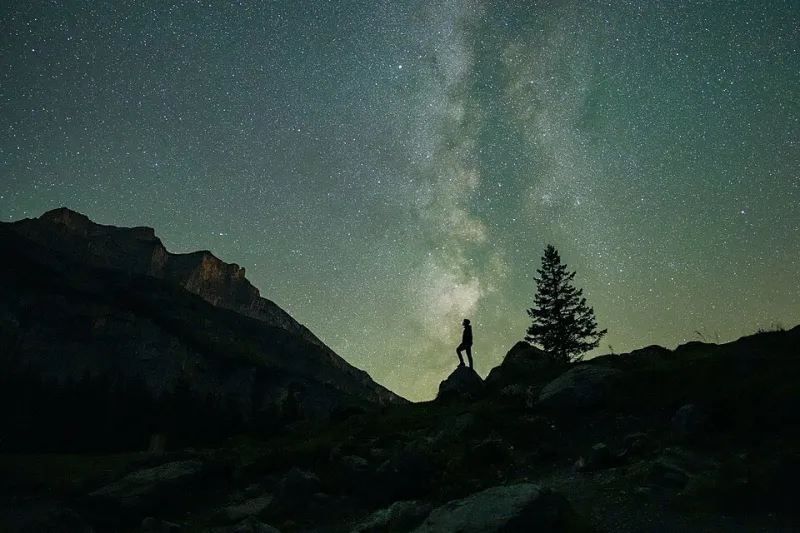
Photo: Giles Laurent, CC BY-SA 4.0, via Wikimedia Commons
For most people, Spotify Wrapped is a fun little holiday tradition — a shareable snapshot of the songs and artists that soundtracked their year. You find out you were in the top 1% of some indie artist's listeners, feel mildly proud about it, post it to your Instagram story, and move on.
But for artists and the teams behind them? Wrapped season is something else entirely. It's a pressure point, a marketing window, and increasingly, a career-defining moment all rolled into one. And it's changing the music industry in ways that most casual listeners never think about.
The Moment That Became a Movement
Spotify launched Wrapped back in 2016, and it didn't take long for it to snowball into one of the biggest annual social media events on the calendar. By the early 2020s, the first week of December had become something like a second release season — a time when artists, fans, and music journalists all collectively pause to take stock of the year in sound.
What makes Wrapped uniquely powerful isn't just the data itself. It's the shareability. When fans post their results, they're essentially doing unpaid promotional work for the artists at the top of their lists. A smaller artist landing on thousands of Wrapped posts can see a genuine surge in new followers, streams, and playlist adds — all from people who never heard of them before but are suddenly curious.
That kind of organic visibility is something labels used to spend serious money trying to manufacture. Now it happens automatically, once a year, driven entirely by fan behavior.
Gaming the Calendar
Here's where it gets interesting — and a little complicated. Because Spotify's Wrapped data is typically calculated through late October or early November, artists and their teams have started treating the months leading up to that cutoff like a sprint to the finish line.
Release strategies that used to be built around summer momentum or holiday shopping seasons now factor in Wrapped eligibility windows. Dropping a single in September or October gives a track just enough runway to accumulate streams before the data snapshot is taken. Some artists deliberately schedule their most accessible, hook-forward music during this window, knowing that a strong showing in Wrapped could carry their numbers well into the following year.
Managers and digital marketing teams have become fluent in this calendar math. The goal isn't just to have a good year — it's to have a measurable year, one that shows up in fans' top five and gets screenshot-shared across every social platform imaginable.
The Rise of the Wrapped-Season Artist
One of the more fascinating side effects of all this is the emergence of artists who seem to peak specifically around Wrapped season. These aren't necessarily the biggest names in music — they're often mid-tier or emerging acts who've built a deeply loyal fanbase that streams obsessively.
Think about the artists you've seen friends post about with the "I've been a fan since before they were big" energy. A lot of those moments happen in December, when Wrapped surfaces listening habits that people didn't even realize they had. Someone who played a lo-fi bedroom pop artist on repeat during a rough patch in March might not have thought of themselves as a superfan — until Wrapped tells them they listened to that artist 847 times.
For the artist, that revelation is gold. It's a conversion moment, turning a passive listener into someone who suddenly feels a personal connection to the music. Smart artists lean into this hard, posting thank-you content during Wrapped week, sharing fan stats on their own social channels, and using the moment to push merch, tour dates, or new releases.
Playlist Politics and the Algorithmic Ladder
Wrapped doesn't exist in a vacuum, either. It's deeply tied to Spotify's broader algorithmic ecosystem — the Discover Weekly playlists, the Radio features, the editorial placements that can make or break a track's trajectory.
Artists who perform well in Wrapped tend to be artists who've already cracked the algorithm to some degree. High stream counts, strong save rates, low skip rates — these are the metrics that get tracks placed on editorial playlists, which drive more streams, which improve Wrapped numbers. It's a feedback loop, and once you're inside it, momentum builds fast.
This has pushed a lot of artists to think more like content strategists than traditional musicians. It's not just about making great music anymore — it's about making music that behaves well in a data environment. Short intros, immediate hooks, songs that don't give listeners a reason to skip in the first ten seconds. The algorithm rewards retention, and Wrapped is the annual report card.
The Pressure Underneath the Fun
For all the celebration that surrounds Wrapped, there's a quieter conversation happening among artists about the pressure it creates. When your career metrics become public-facing — when fans can see exactly how many streams you pulled and compare it to last year — there's an implicit expectation of growth.
An artist who had a breakout Wrapped moment in 2022 and then a quieter 2023 might not show up in as many posts the following December. That absence is felt. It can affect streaming deals, label interest, and even fan perception. The numbers that were supposed to celebrate music have become, for some artists, a source of real anxiety.
There's also the question of what Wrapped doesn't measure. It doesn't capture the emotional weight of a song that helped someone through a difficult time. It doesn't count the live show where 300 people sang every word back to an artist who hasn't cracked 100K monthly listeners yet. It doesn't reflect the slow-burn impact of an album that takes years to find its audience.
What It All Means for Music Discovery
Despite the complications, Wrapped has genuinely democratized music discovery in some meaningful ways. Artists who might never get a magazine cover or a late-night TV spot can land in front of millions of new ears purely because their music connected with people who then shared their stats online.
For music fans, it's also created a new kind of community ritual — a shared moment where everyone gets to say, "this is what moved me this year." That's not nothing. In a fragmented streaming landscape where everyone's listening to something different, Wrapped is one of the few events that pulls the conversation back together.
The challenge going forward is making sure that ritual serves the music, not just the metrics. Because at the end of the day, the best Wrapped stories aren't about stream counts — they're about the songs that meant something, and the artists who made them.